









Back
BUSINESS > CONFERENCE & BUSINESS EVENTS >


This next chapter is not about replacing what already works. It is about strengthening resilience, expanding choice and giving farmers, growers and agribusinesses confidence as the sector continues to evolve.
The proposition is straightforward. A strong farming base sits alongside a central location, nationally significant logistics infrastructure and growing capability to process, add value and move food and fibre efficiently to market. Together, these strengths are positioning Manawatū as a backbone region for primary production across the central North Island.
A Region Built on Strong Foundations
Manawatū has long been a cornerstone of New Zealand’s food and fibre system. Dairy, sheep and beef farming continue to underpin the regional economy, supported by productive soils, reliable water and generations of experience. These fundamentals remain critical and will continue to shape the region’s future.
At the same time, the operating environment for farmers is changing. Market volatility, climate impacts, labour pressures, and shifting consumer expectations are influencing what long-term success looks like on-farm. Increasingly, resilience comes from flexibility. It comes from being able to adapt, diversify where it makes sense, and capture more value from what is already being produced.
In response, Manawatū is taking a deliberate and coordinated approach. Through the Manawatū Regional Food Strategy, the region is working towards a more connected food system that links production, processing, logistics, research and markets. The shared focus is on sustainable nutrition, resilience, and long-term value creation.
Te Utanganui: Connecting Farms to Markets
In many regions, logistics can be a constraint. In Manawatū, it is a clear advantage.
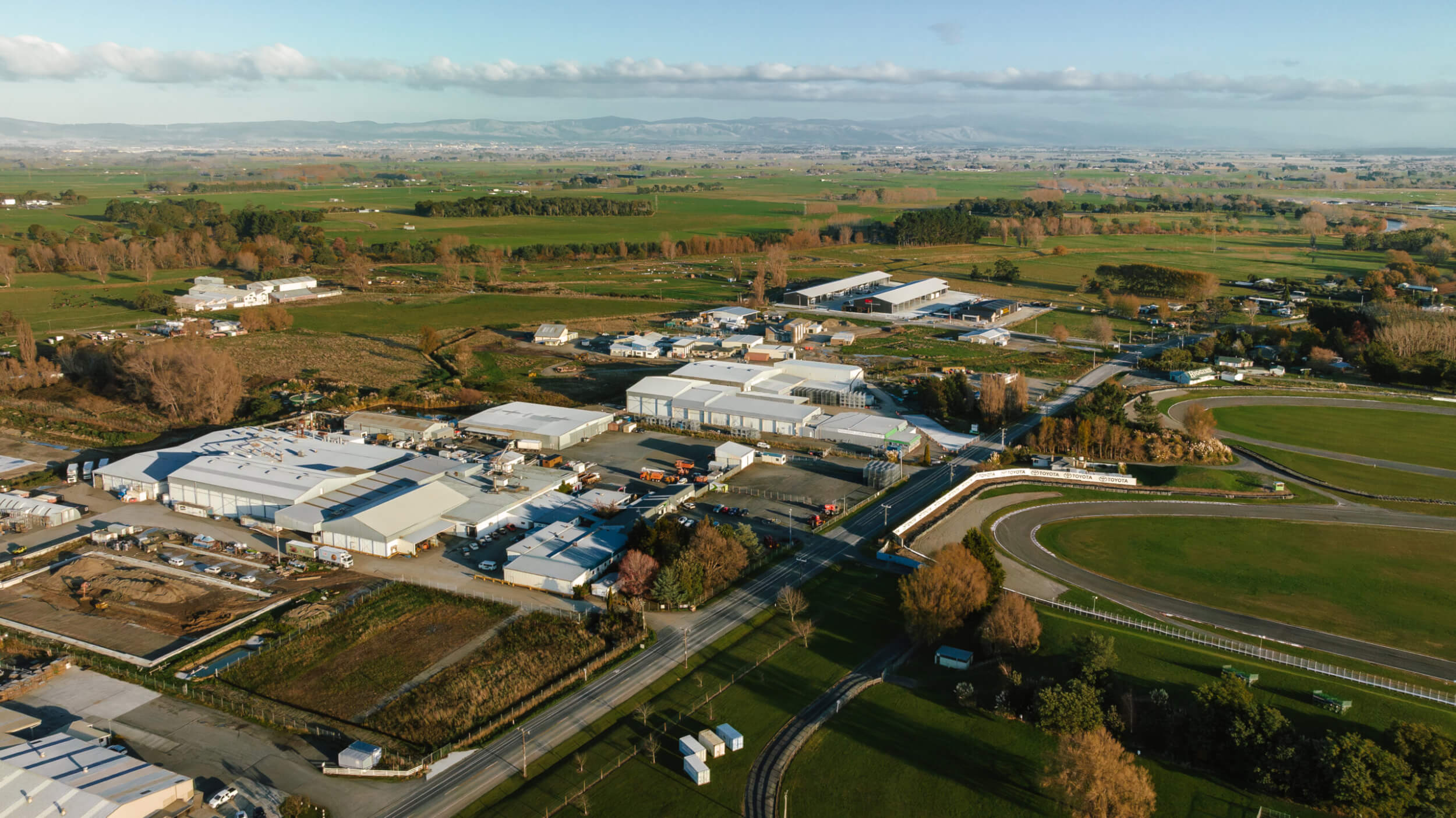
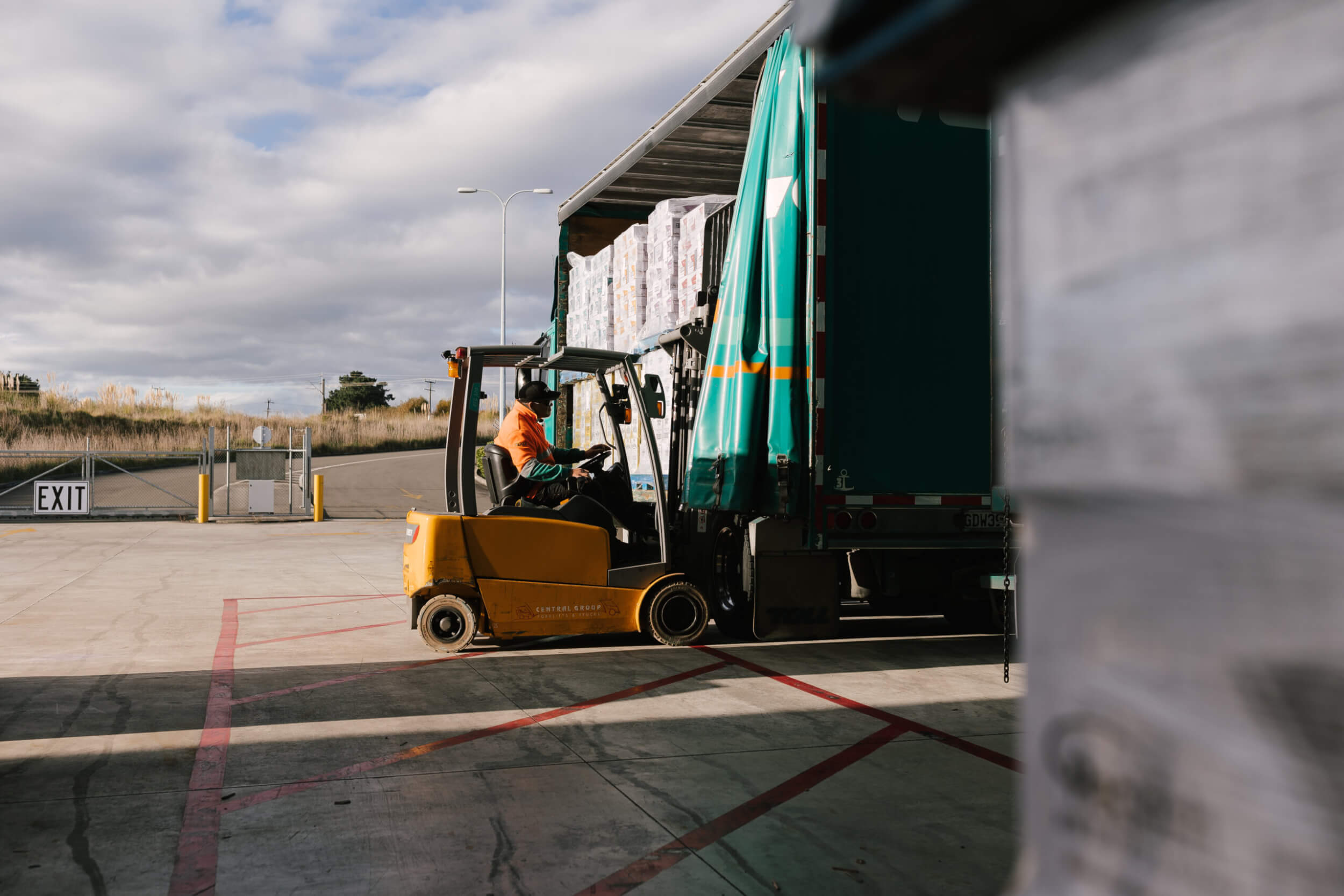
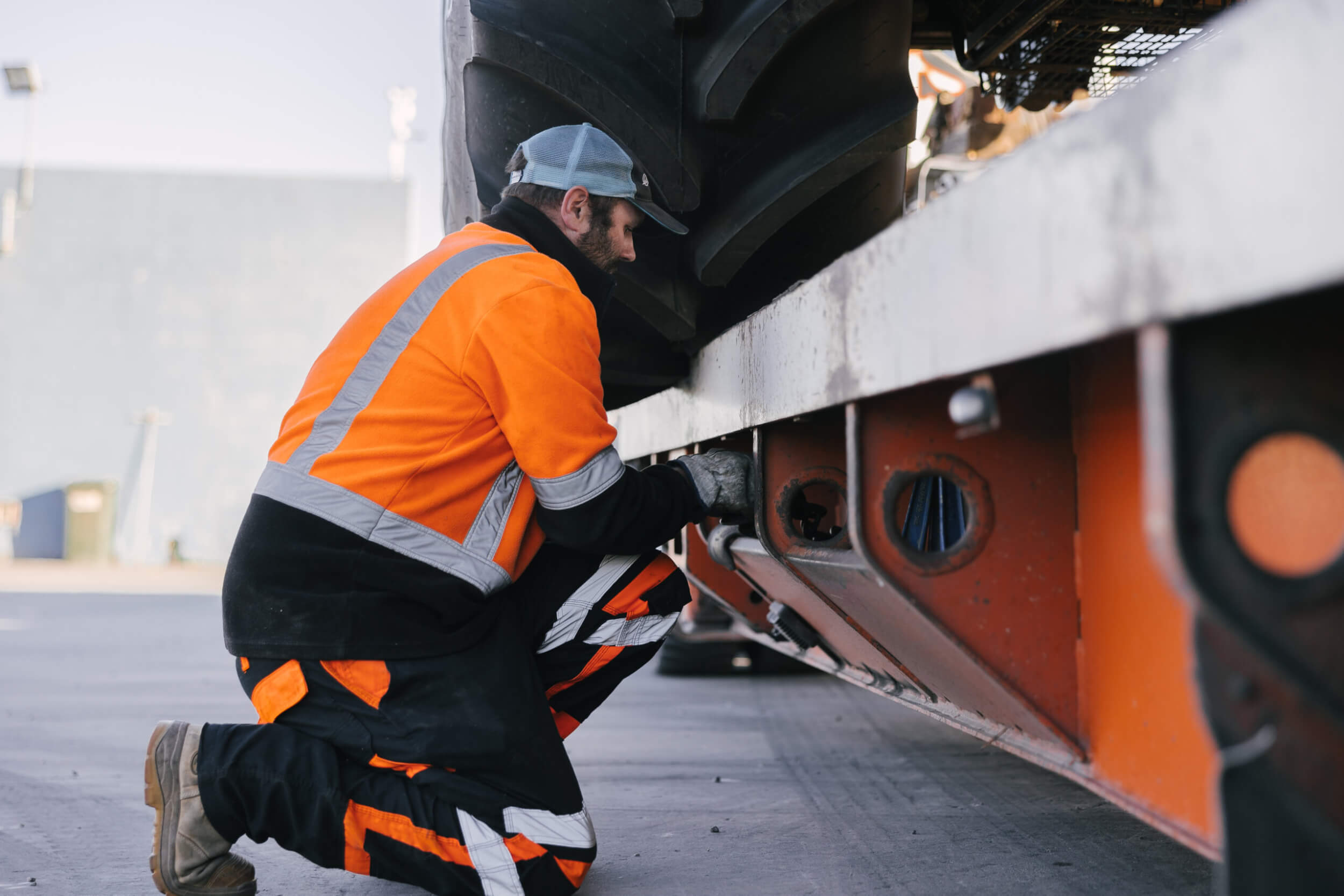
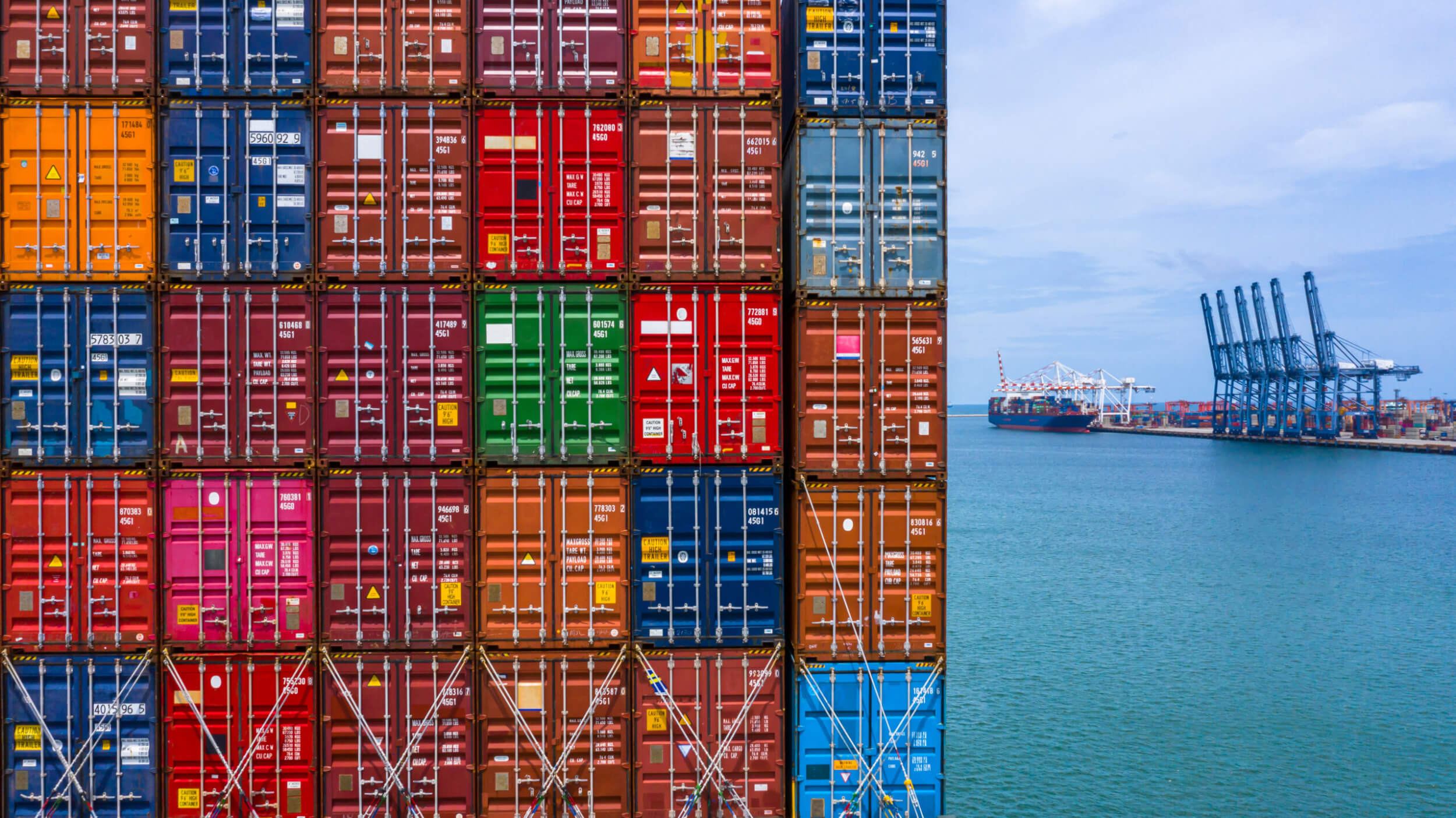
Te Utanganui, the Central New Zealand Distribution Hub, sits at the heart of the region’s primary sector opportunity. It is one of only three nationally strategic distribution hubs and the only location in Aotearoa where road, rail and 24‑hour air freight are directly co-located. From here, food and fibre can move efficiently across the country and offshore, giving farmers and growers reliable access to domestic and international markets.
The hub is also strongly connected to Port Taranaki, Port of Napier, and CentrePort Wellington. These established export pathways support efficient movement from farm to processor to port, improving reliability and reducing handling for both bulk commodities and time‑sensitive, higher‑value products.
For farmers, this delivers real, practical benefits including faster access to markets, efficient export options, greater confidence to explore new customers, and stronger resilience when supply chains are disrupted.
For agribusinesses and processors, Te Utanganui provides certainty. It creates confidence to invest, knowing that scale, connectivity, and future growth have been planned for. Distribution and logistics already contribute around $898 million to the Manawatū economy, representing more than 12 percent of regional GDP and employing over 6,800 people. This reflects the sector’s role as a critical enabler of primary production and processing.
Kawakawa Industrial Precinct: Enabling Value Add Where It Counts
Infrastructure creates opportunity only when it is supported by the right settings.
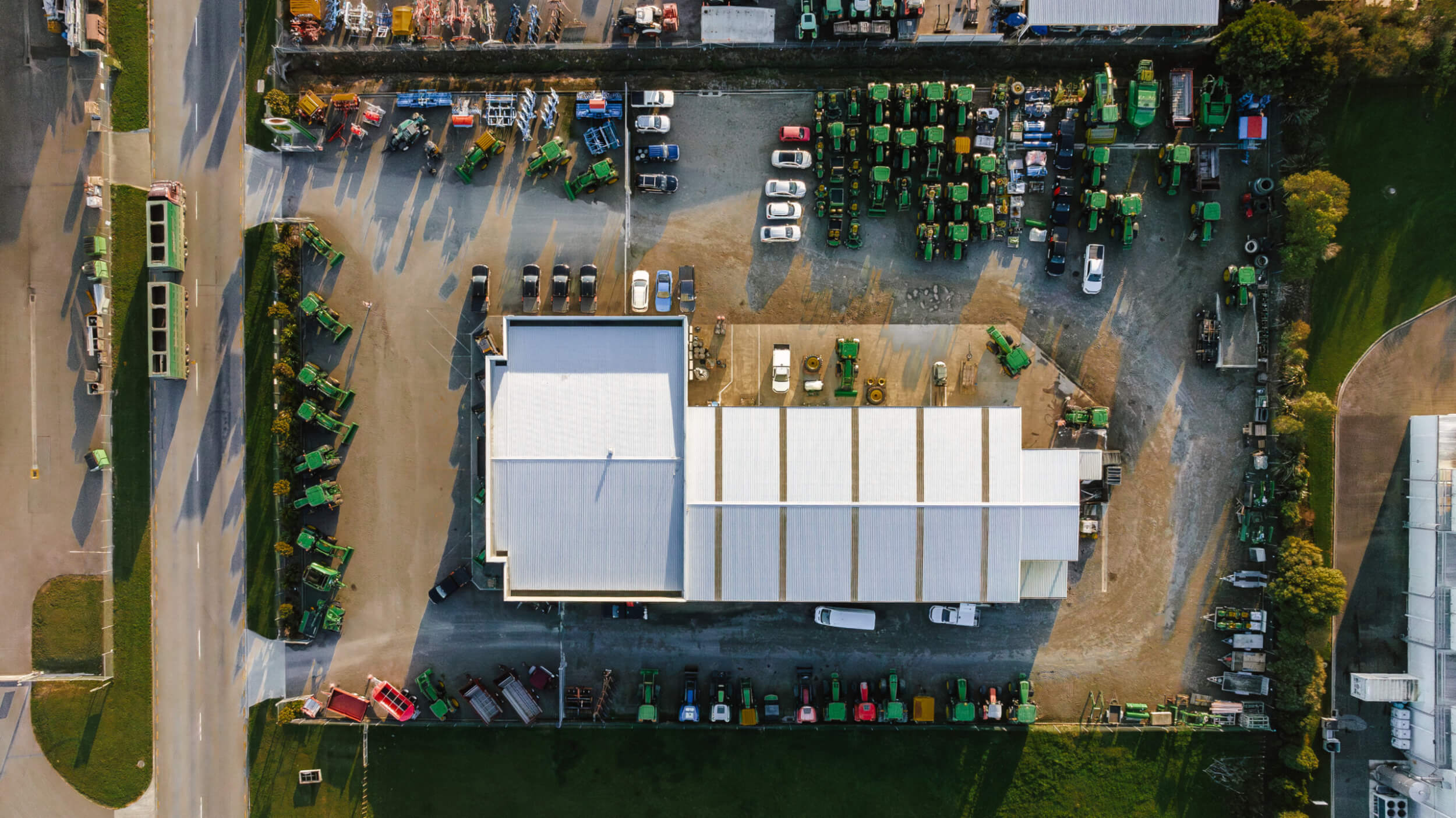
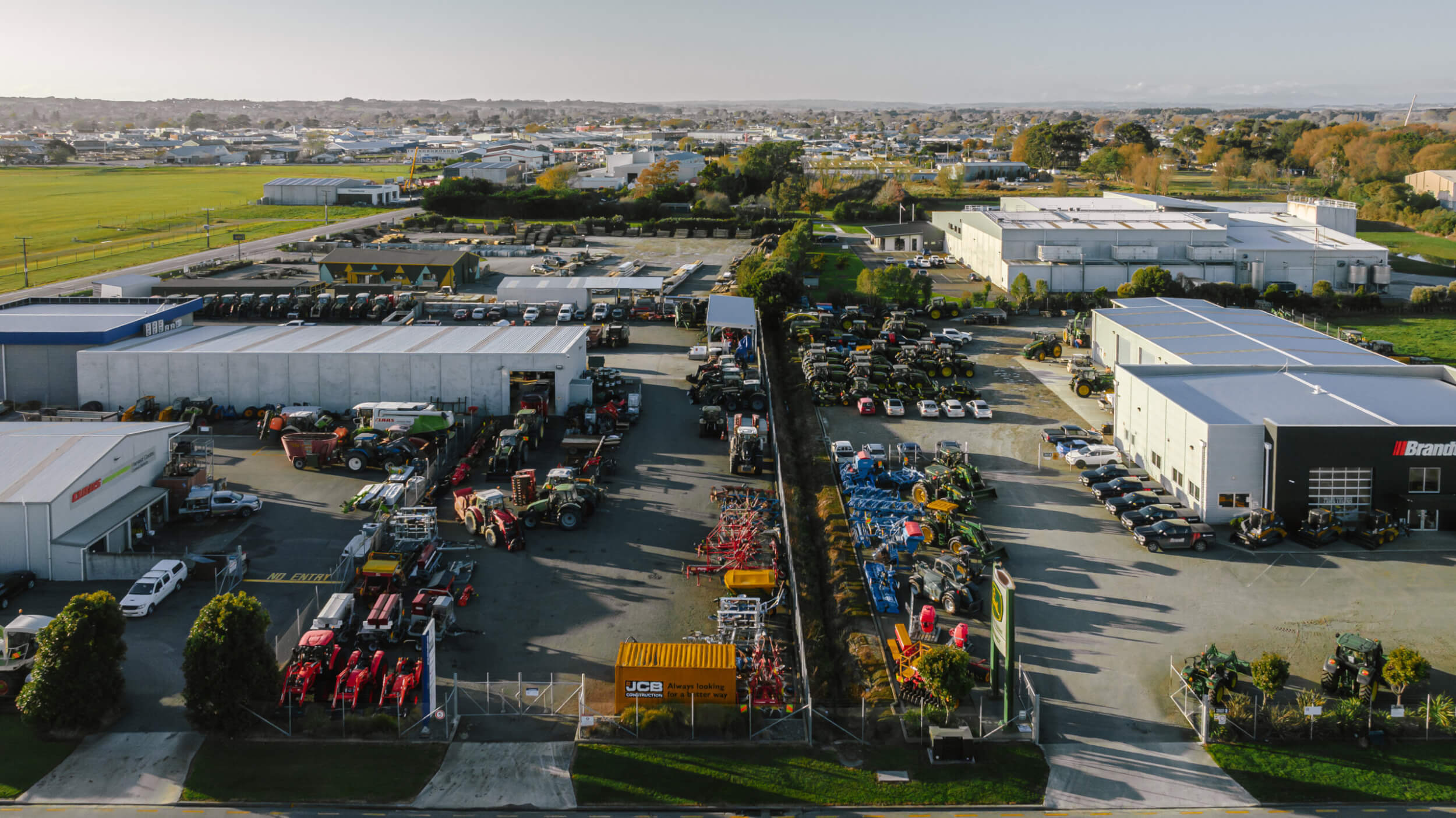
The Kawakawa Industrial Precinct in Feilding plays a vital role in the Te Utanganui strategy. It has been purpose enabled for wet production, processing and manufacturing, supported by significant investment in wastewater treatment infrastructure. This provides long‑term capacity and certainty for water‑intensive food and fibre activities that can be difficult to accommodate elsewhere.
As a result, the precinct can support a range of activities including food and ingredient processing, protein, dairy and fibre value‑add, bio‑based manufacturing and circular economy initiatives. Importantly, the Kawakawa Industrial Precinct is not a standalone zone. Its close proximity and connection to the intermodal freight hub in Bunnythorpe means product moves smoothly from farm to processor and on to domestic or export markets.
For farmers, this strengthens the case for local processing and value add, helping keep more of the return closer to where production begins.
Diversification That Works at the Farm Gate
While infrastructure enables growth, change ultimately happens on farm.
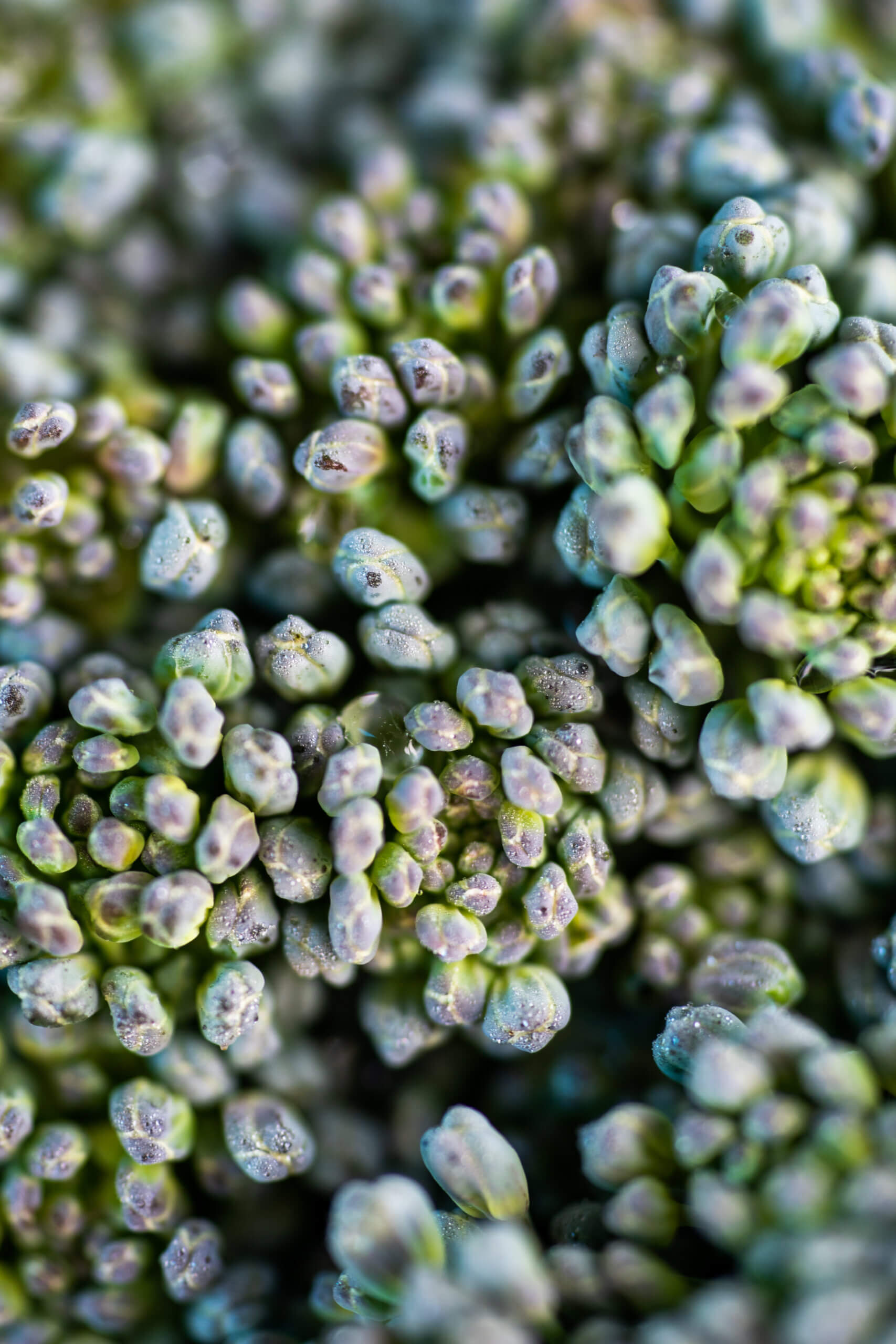
Research in Manawatū shows that introducing diversified land uses alongside existing pastoral systems can improve both profitability and resilience, without displacing core farming activities. These approaches can be adopted at different scales and stages, allowing farmers to respond to environmental pressures, market signals, and business goals in ways that make sense for their operation.
For many, diversification is not about dramatic change. It is about unlocking options, creating additional income streams, reducing exposure to single‑commodity risk, improving soil health, and transitioning at a pace that suits both the business and the family.
The region’s logistics and processing strengths mean diversified production does not need to rely on distant infrastructure. Aggregation, storage, processing and distribution can happen locally, supported by Te Utanganui and precincts like the Kawakawa Industrial Precinct.
Keeping More Value in the Region
Manawatū already produces high-quality food and fibre. The next opportunity lies in capturing more of its value locally.
Too often, raw product leaves the region for processing elsewhere. By better aligning production, processing, logistics and innovation, Manawatū is creating the conditions to change that. The result is stronger local businesses, more jobs and more resilient supply chains.
This ambition aligns closely with national direction. The Aotearoa Horticulture Action Plan sets out a pathway to double horticulture farmgate value by 2035, with a strong emphasis on sustainability, productivity and collaboration. These are all areas where Manawatū is well placed to contribute and lead.
A Region Acting with Intent
What sets Manawatū apart is intent. This is a region planning for change rather than reacting to it.
Te Utanganui connects producers to markets and ports. The Kawakawa Industrial Precinct enables value add and processing as part of the same system. Diversification at the farm level unlocks resilience and choice.
Together, these elements form a connected production‑to‑market system that supports farmers today while creating options for tomorrow. For the primary sector across the central North Island, Manawatū is more than a point on the map. It is a place where food and fibre can be grown, processed, moved, and valued efficiently, sustainably and with confidence.
If you’re curious about diversification, value‑add, or new market pathways, there’s support to help you test ideas and unlock options. Explore our resources, dive deeper into what Manawatū offers, or simply get in touch for a chat with the team.



CEDA
Level 1, 5 Broadway Avenue,
Palmerston North 4410
+64 6 350 1830
[email protected]
CEDA.nz

Palmerston North City i-SITE
The Square, Palmerston North
0800 MANAWATU
(626 292)
[email protected]
ManawatuNZ.co.nz/isite

Feilding and District
Information Centre
Te Āhura Mōwai
64 Stafford Street
+64 6 323 3318
[email protected]
ManawatuNZ.co.nz/feilding

Tap on the  throughout our website to add an experience, accommodation, or event to ‘My Trip’, or explore directly from our interactive map. View Map >
You can drag and drop activities to reorder them. Try downloading so you can print or share your upcoming Manawatū itinerary